
Worldwide industrial procurement · Buyer guide
Global B2B Guide: Sourcing Electrical, Mechanical & Safety Supplies for Oil and Gas
A practical international procurement guide to industrial cables, piping, valves, pumps, instrumentation, spare parts and PPE: specifications, supplier evidence and comparable RFQs.
Commercial response within 24 hours of your RFQ: a quotation or documented progress, subject to specifications and availability. This is not physical delivery within 24 hours.
XTO does not sell crude oil. These are industrial sourcing categories, not a stock list. Brands, certifications, suitability and availability require supporting evidence and supplier verification.
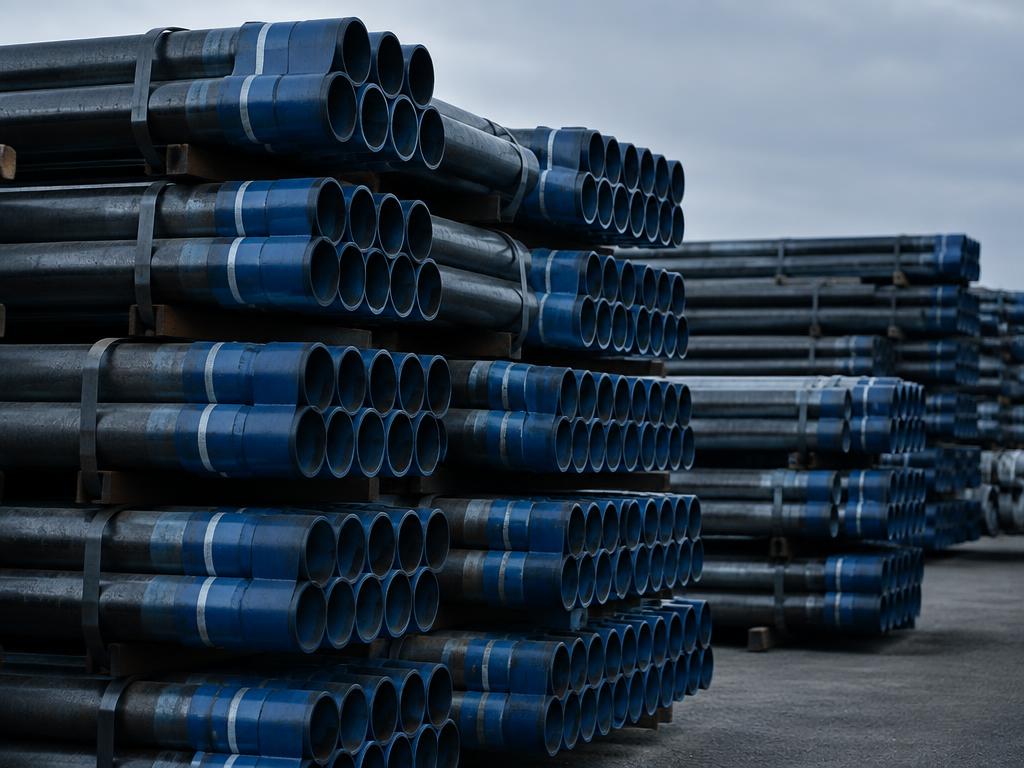
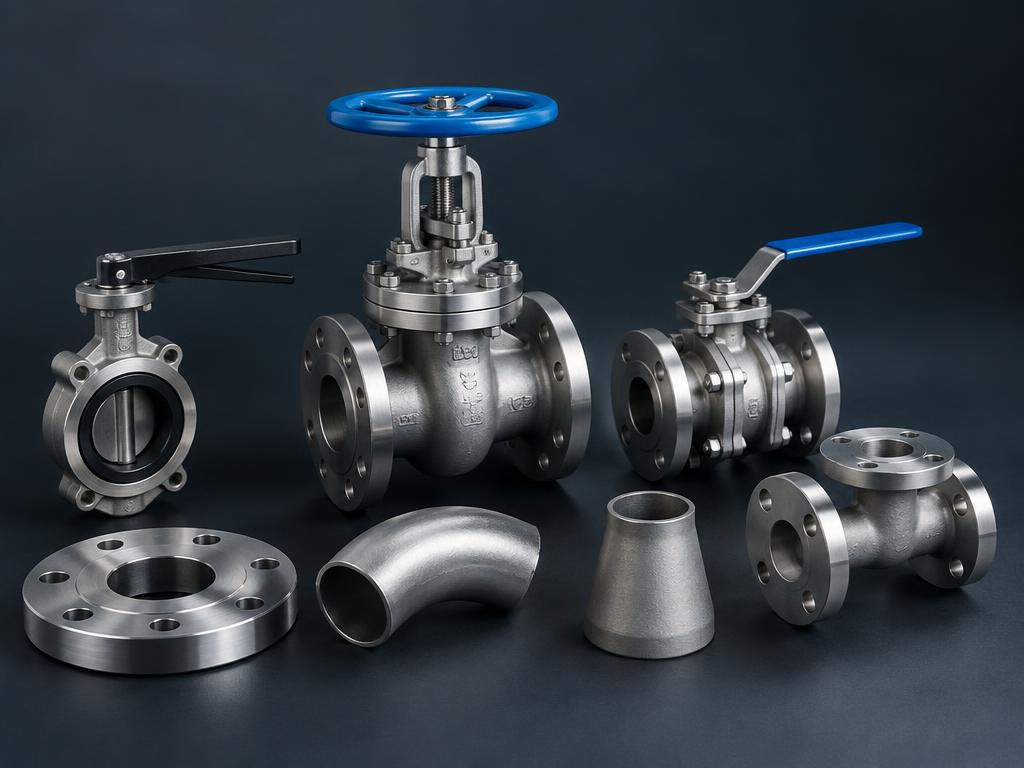
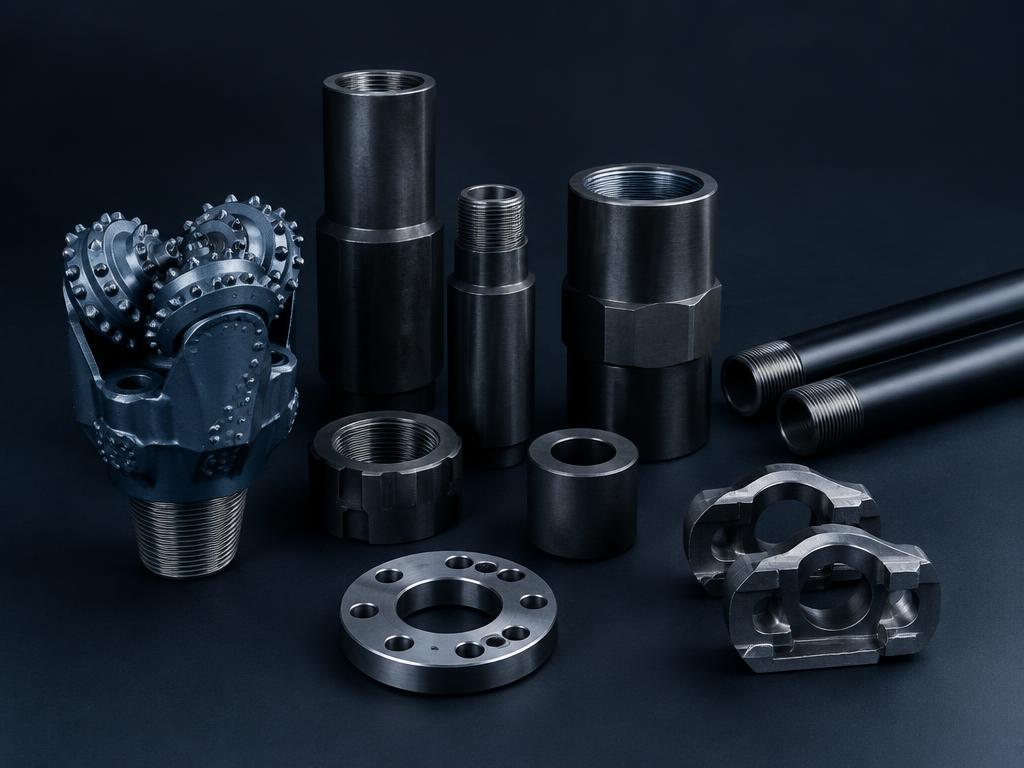
Existing illustrative reference imagery; not XTO inventory, a confirmed supplier or evidence of certification.
1. Build a global, application-specific RFQ
Start with the operating application, destination country and end-user requirements—not just a product name. Oil and gas operators, EPC contractors, maintenance teams and importers may require very different documentation and acceptance procedures.
A bill of materials should identify each line, quantity, unit, drawing or technical reference, desired delivery schedule and permitted alternatives. Separate mandatory requirements from preferences so quotations can be compared consistently.
2. Electrical cables and industrial power materials
Define whether cables serve power, control or instrumentation. State voltage, conductor material and cross-section, number of cores, shielding, insulation, armor, length and environmental conditions. Include required cable trays, connectors, glands and termination accessories.
For panels, breakers, transformers and industrial lighting, provide ratings, installation conditions, enclosure requirements and interface drawings. Hazardous-area requirements must come from the project's competent engineering team. No suitability or certification should be inferred from a catalog photo.
3. Pipes, fittings, valves and pumps
Describe pipe dimensions, wall thickness or schedule, material grade, connection type, operating pressure, temperature and service medium. For fittings and valves, specify dimensions, pressure class, ends, actuation and any traceability or testing documentation required.
Pump requests should identify flow, head, fluid characteristics, duty, power supply and installation constraints. Supplier proposals must be checked against the actual application; an apparent dimensional match does not establish interchangeability.
4. Instrumentation, equipment and maintenance spares
Provide measurement range, accuracy needs, process connections, signal or communication interface and operating conditions for instrumentation. Where a replacement is needed, attach a non-confidential nameplate or technical reference.
Define compatibility, installation constraints and acceptance criteria for equipment and spare parts. Original-brand or equivalent requests remain subject to documentary verification and buyer approval; XTO does not claim to represent manufacturers.
5. Industrial safety materials and PPE
A competent safety team should define the hazards and required protection before procurement. Requests may include helmets, gloves, safety glasses, respiratory protection, flame-resistant (FR) clothing, boots and hearing protection, plus safety systems and equipment defined by the project.
Specify sizes, quantities, required performance criteria, applicable standards and evidence to verify. Respiratory protection depends on the identified hazard, selection and fit procedures; FR clothing is not automatically suitable for every thermal or electrical exposure. Request the relevant supplier documentation rather than assuming compliance.
For safety systems and equipment, identify their intended function, interfaces, inspection needs and competent acceptance process. Product sourcing is not an engineering design approval or a substitute for workplace risk assessment.
6. Verify suppliers and compare the complete offer
Review company identity, product technical data, origin, capacity, MOQ, lead-time proposal, relevant test records and independently verifiable certificates. A certificate's scope and validity must match the offered product and project requirement.
Compare the same specification, quantities, packing, documentary requirements, inspection scope and Incoterms across offers. State how deviations and substitutions need to be approved. Do not treat an indicative offer as confirmed availability.
7. Coordinate documents, logistics and the next commercial step
Define destination import requirements, shipment documentation, packaging, inspection responsibilities and agreed commercial terms. Logistics and other third-party execution remain with qualified providers and counterparties.
XTO coordinates sourcing and commercial review. The commercial response within 24 hours may be a quotation or documented progress on the RFQ, subject to specifications and availability; it is never a promise of physical delivery in 24 hours. Submit your defined requirements through the existing buyer form.
Industrial procurement questions
Does XTO sell crude oil?
No. This category covers sourcing coordination for industrial supplies used by oil and gas companies, EPC contractors and maintenance teams worldwide.
Does the 24-hour response mean delivery?
No. It means a commercial RFQ response: a quotation or documented progress, subject to specifications and availability. Delivery is agreed separately.
Are all items certified or available?
No. Required certifications, technical suitability and availability are verified for each request; category references do not establish compliance or stock.
Manufacturers and industrial suppliers worldwide
Present your product catalog, origin, capacity, MOQ, technical data, verifiable certificates, proposed Incoterms and commercial contact through the existing private supplier form. Opportunities depend on qualification and buyer requirements; no sales are guaranteed.
Oil & Gas Industrial Supply